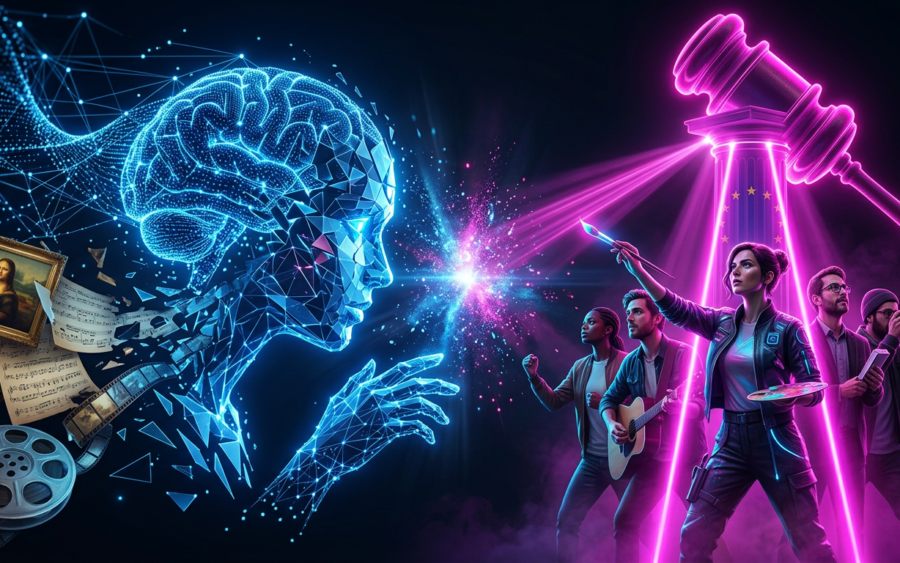
Highlights: The SB-1047 bill, recently introduced in California, aims to regulate the use of AI within the state, particularly in Silicon Valley. This law represents a turning point for the tech companies established there that increasingly rely on artificial intelligence in their processes. The goal is to protect users and avoid ethical and legal deviations in the use of this technology.
- Strict regulation: This bill imposes clear obligations on companies using AI, particularly in terms of transparency and accountability.
- Supervision of high-risk technologies: It particularly targets high-risk algorithms, especially those used in healthcare, finance, and justice.
- Data and user protection: SB-1047 also includes provisions to ensure data confidentiality and limit abuses related to the exploitation of personal data by AI.
Weak signals:
- Increasing pressure on Silicon Valley: This bill shows that governments are beginning to realize the ethical and social stakes of AI, which could slow innovation in certain sectors or move it to other less regulated regions.
- Tensions between innovation and regulation: While AI promises rapid technological advances, this regulation could create tensions between companies wishing to innovate quickly and legislators anxious to protect citizens.
What questions does this raise:
- The future of Silicon Valley as a tech hub?: By imposing stricter regulations, does California risk pushing certain companies to migrate to less regulated states or countries?
- Impact on AI innovation?: Does this bill hinder innovation by requiring more testing and transparency for new algorithms, or does it instead encourage safer and more responsible developments?
What to watch closely:
- Tech giants’ reactions: Will Silicon Valley companies accept these new regulations or will they seek solutions to bypass or soften these rules?
- The ripple effect in other regions: Could this type of regulation inspire other US states or even countries to adopt similar laws to frame AI?
- Impact on generative AI and large-scale models: Could the law slow down the development of generative AI or change the way it is deployed?